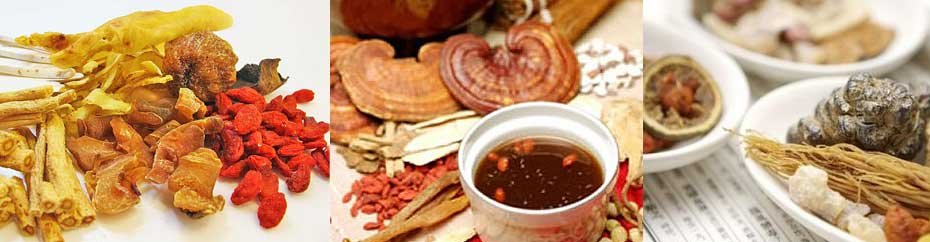
After acupuncture, herbal medicine is the second pillar of Chinese medicine. Herbal preparations have been used in China for a very long time, and evidence from around 200 BCE shows that plant, mineral and animal substances were used to treat illness. Over the following centuries, the methods of using these substances were developed and refined. By around 659 CE, a comprehensive materia medica had appeared, listing herbal ingredients and describing their actions and properties.
Acupuncture and herbal medicine are based on the same theories and principles, but descriptions of herbs are primarily part of the theoretical system. Herbs usually act in very specific ways, and formulas combine ingredients with different properties. Because of this, herbal preparations can address various kinds of disharmony in a patient. Some herbs can also act on several aspects of a condition at the same time. In general, preparing a formula requires the practitioner to consider many factors, but the benefits for patients can be significant.
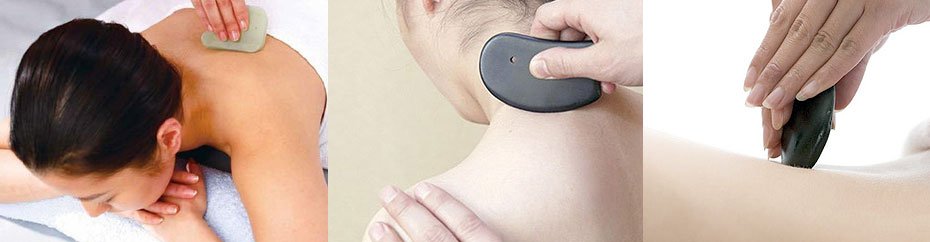
Gua Sha is a Chinese therapeutic massage used in the treatment of many illnesses and complaints. It is performed with a buffalo horn plate or similar tool. The method helps release stagnation, restore harmony, support circulation and remove different types of toxins. In its range and strength of action, it can be compared with acupuncture, while being much safer. Like acupuncture and cupping, Gua Sha works with meridians and acupuncture points, helping dilate blood vessels and reduce swelling.
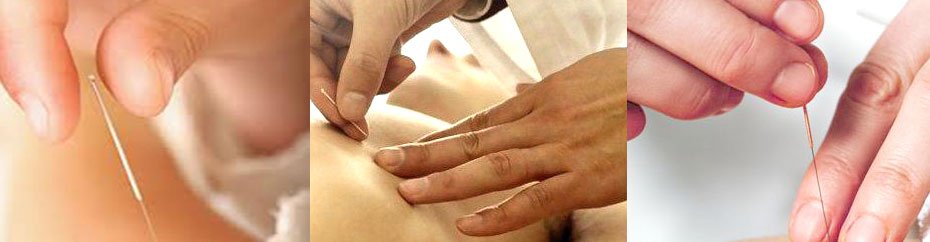
The image of a body being needled with fine needles, seemingly at random, is perhaps the most familiar picture of Chinese medicine. At first glance, it may be hard to imagine how this kind of treatment can help health problems. For many people in the West, Chinese medicine is still associated with this mysterious and unusual image. However, acupuncture techniques have been used and refined in China for more than 3,000 years, with significant and undeniable results.
Acupuncture developed as an empirical science, based on systematic observation of the effects of needling specific points and areas of the body. Early needles were made from sharpened stones, animal bones or bamboo, and were used to remove blockages from channels and regulate the flow of Qi and Blood.
Over time, needling painful ashi points developed into a more complete energetic model of Qi, Essence, Blood and Fluids, with energy flows mapped as meridians. Specific points were identified and their actions recorded. Acupuncture theory continues to develop and be refined today. In clinical practice, modern acupuncture has moved far beyond its earliest methods, while the foundations and principles remain the same.
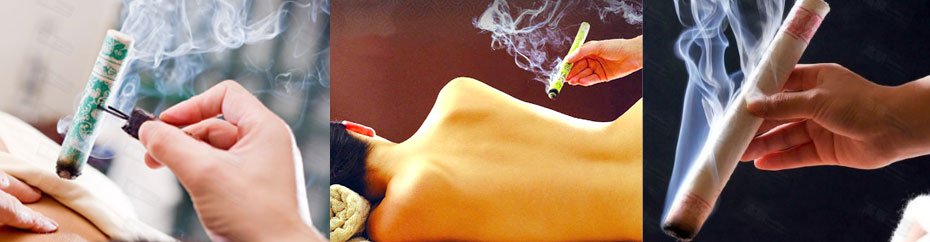
Moxa is a procedure in which dried herb, most often mugwort (Artemisia vulgaris), is burned directly on the skin or indirectly above the skin over specific acupuncture points. Mugwort is gathered in early summer, dried and aged. It is then crushed and sifted in different ways. The highest quality moxa consists almost entirely of the soft underside of the leaf and is considered most suitable for direct use on the skin.
After lighting, moxa burns slowly and gives penetrating warmth that can enter the channels and influence the flow of Qi and Blood. Burning moxa has a characteristic musky aroma and, depending on quality, may produce a lot of smoke. Some patients do not tolerate the smell or smoke well. Smokeless moxa also exists, but it is harder to light and is therefore less commonly used.
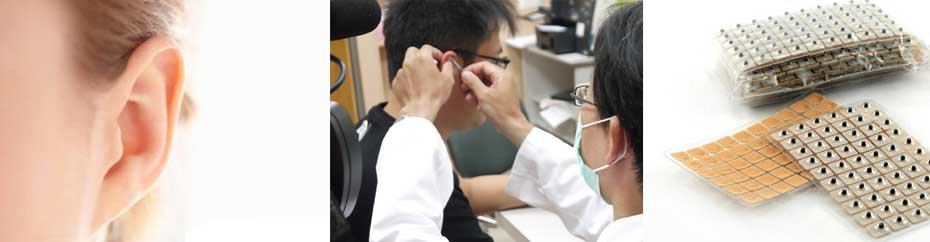
Ear acupuncture is a form of alternative medicine based on the idea that the auricle is a microsystem reflecting the entire body. Physical, mental or emotional causes of imbalance may be treated by stimulating the surface of the ear. Similar mapping systems are used in other areas of the body, including reflexology and iridology.
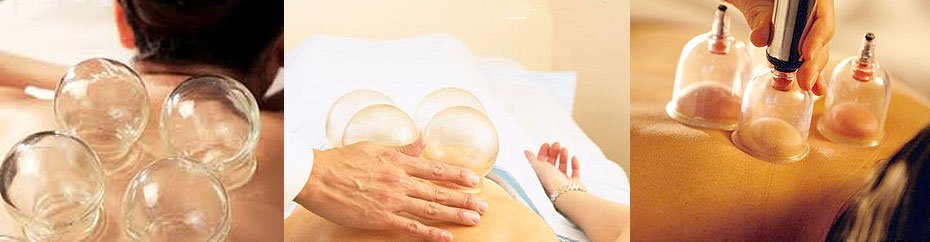
Cupping is usually used to treat local Qi problems or Blood stagnation in the channels. It may also help remove external pathogenic factors, such as Wind-Cold affecting the Lungs. Cupping is an ancient technique that is still used by practitioners. It is often an alternative to acupuncture: cups are placed on acupuncture points, but they treat a larger surface of the body.
Cups are made from strong glass or bamboo, and other materials may also be used. They create strong suction, so they should not be improvised with unsuitable objects. During treatment, a vacuum forms inside the cup, causing it to adhere to the skin and draw the skin upward. This stimulates the flow of Qi and Blood in the area under the cup and helps disperse local stagnation.
In some cases cups remain on the body for a longer time; in others they are quickly removed and placed elsewhere. With moving cupping, the skin is lightly lubricated and the attached cup is moved without losing suction. After cupping, small bruises or redness may remain, especially when cups are left in one place for longer.
 Polski
 English
 한국어
한국어 简体中文
简体中文